From Vision to Runway: Olan Roque Brings Global Flair to the Philippine International Fashion Festival 2026

Photo Credit: Moda De Mayo Events

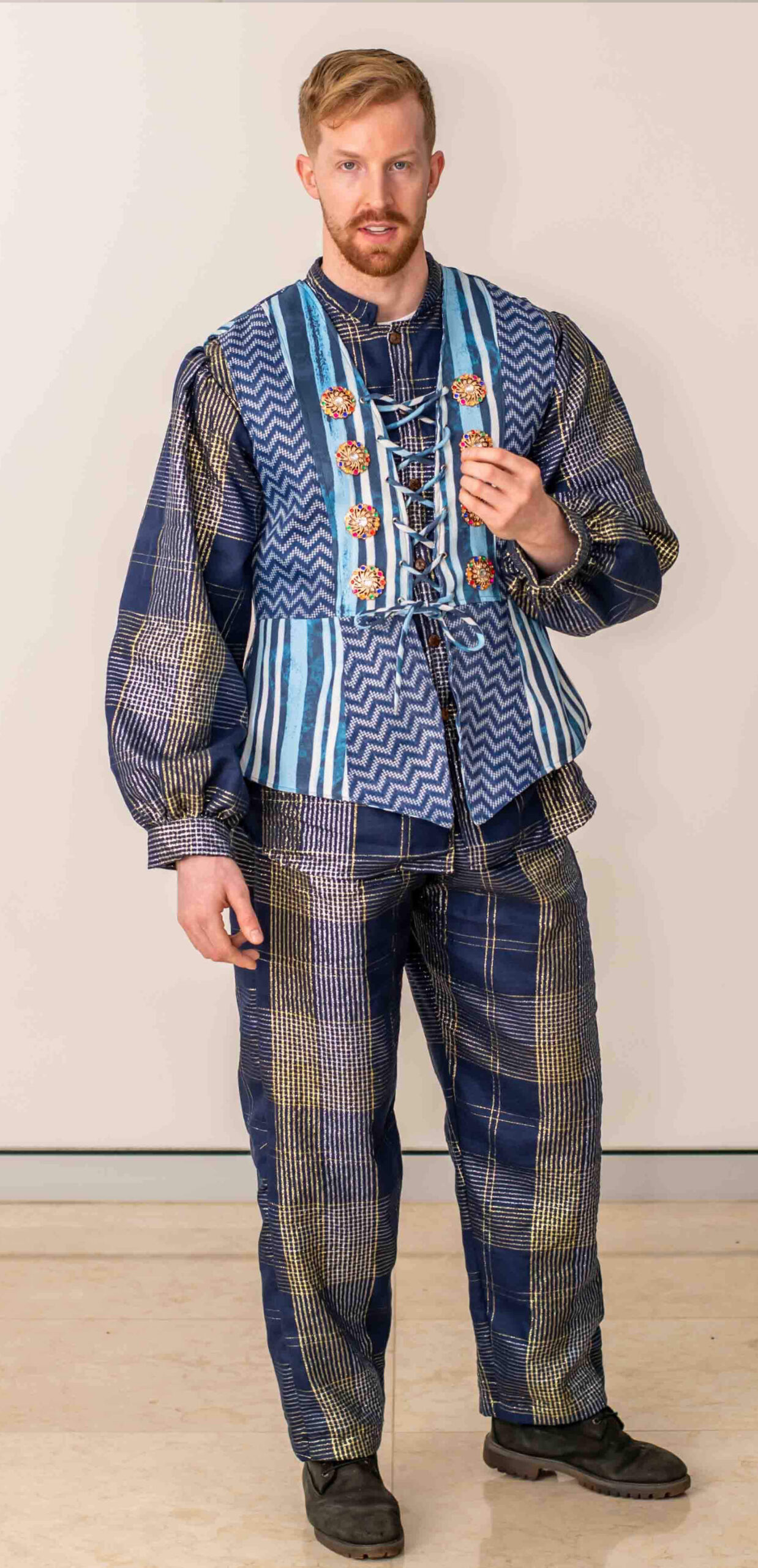
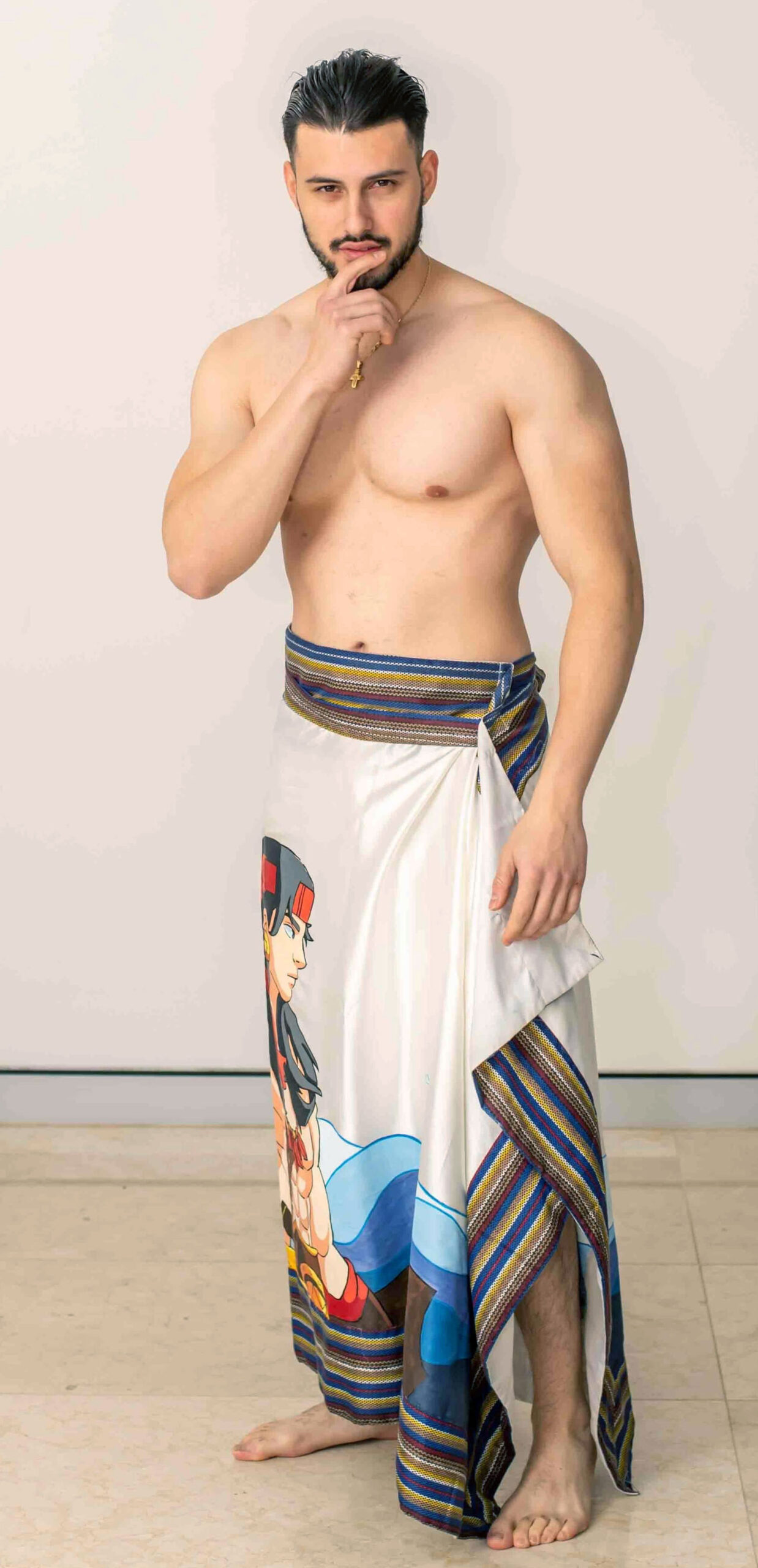
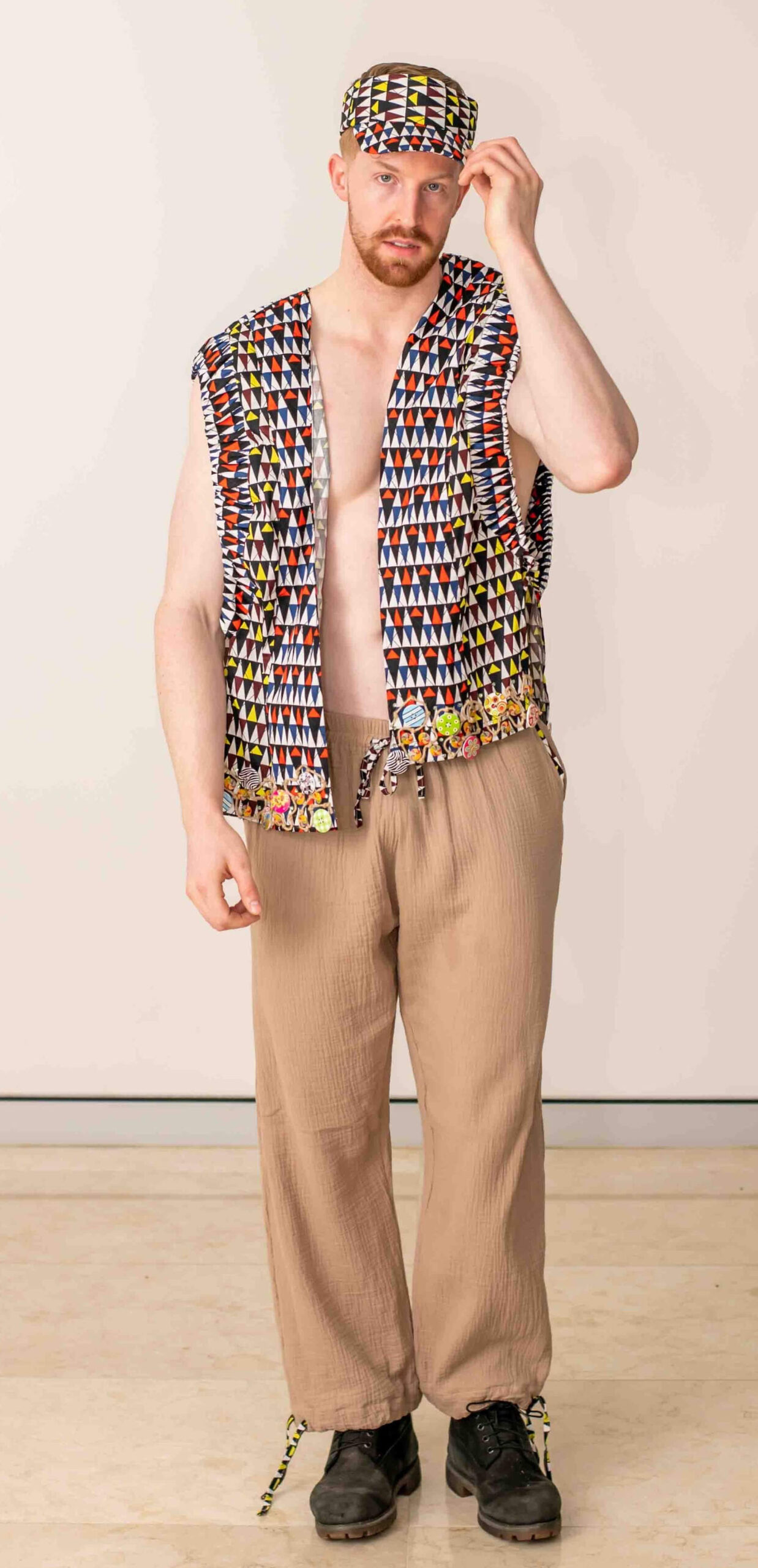
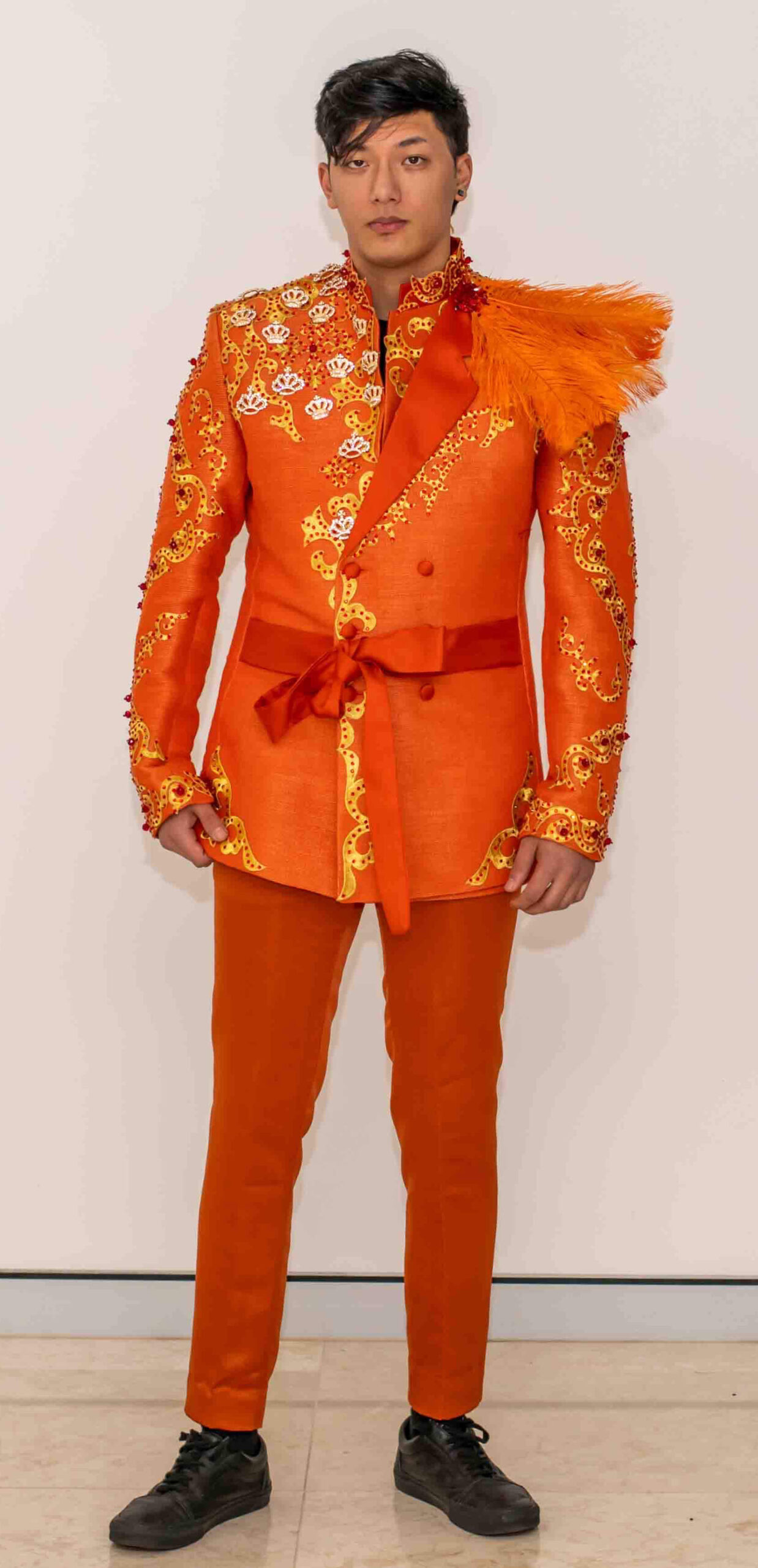
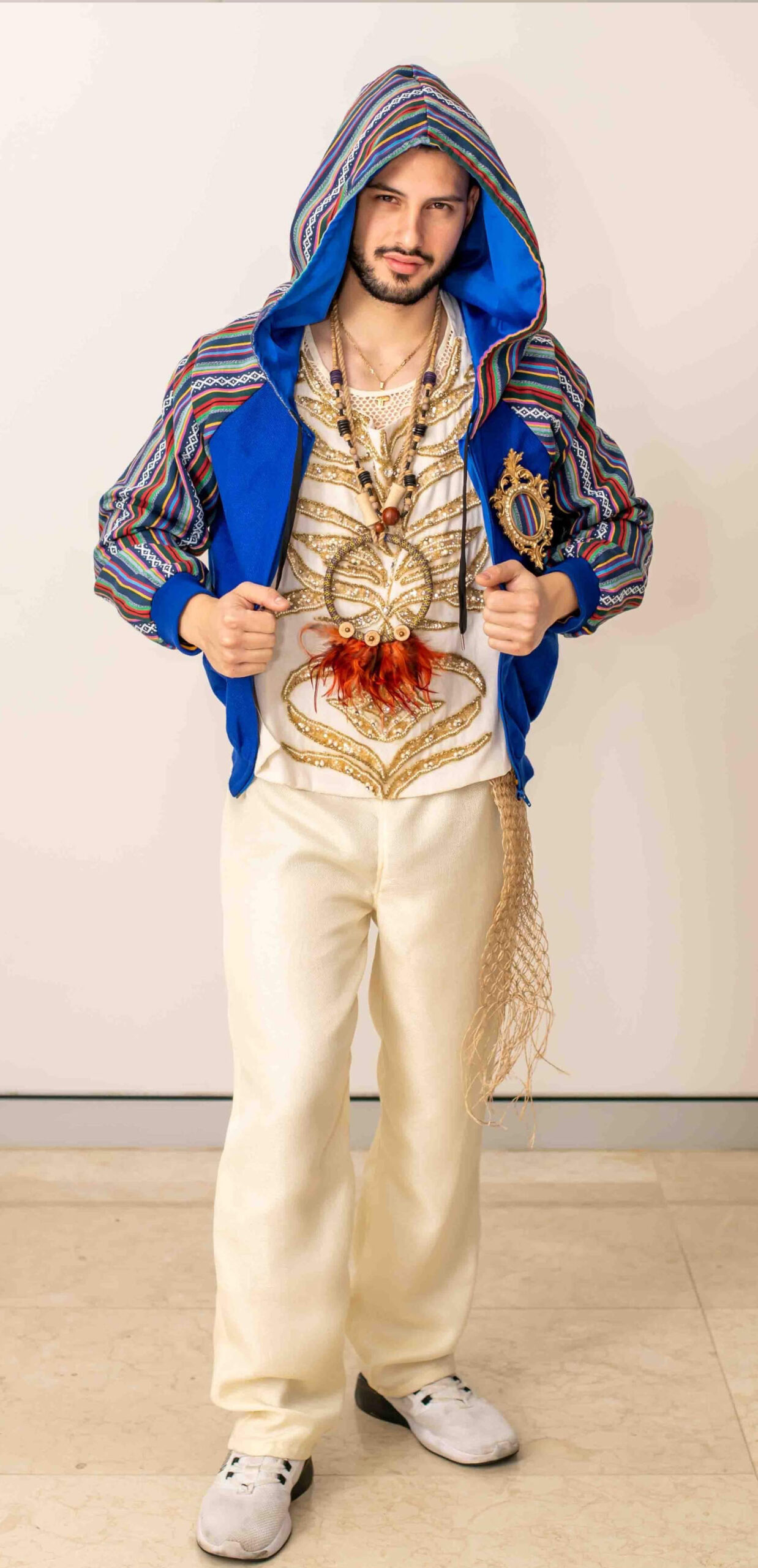
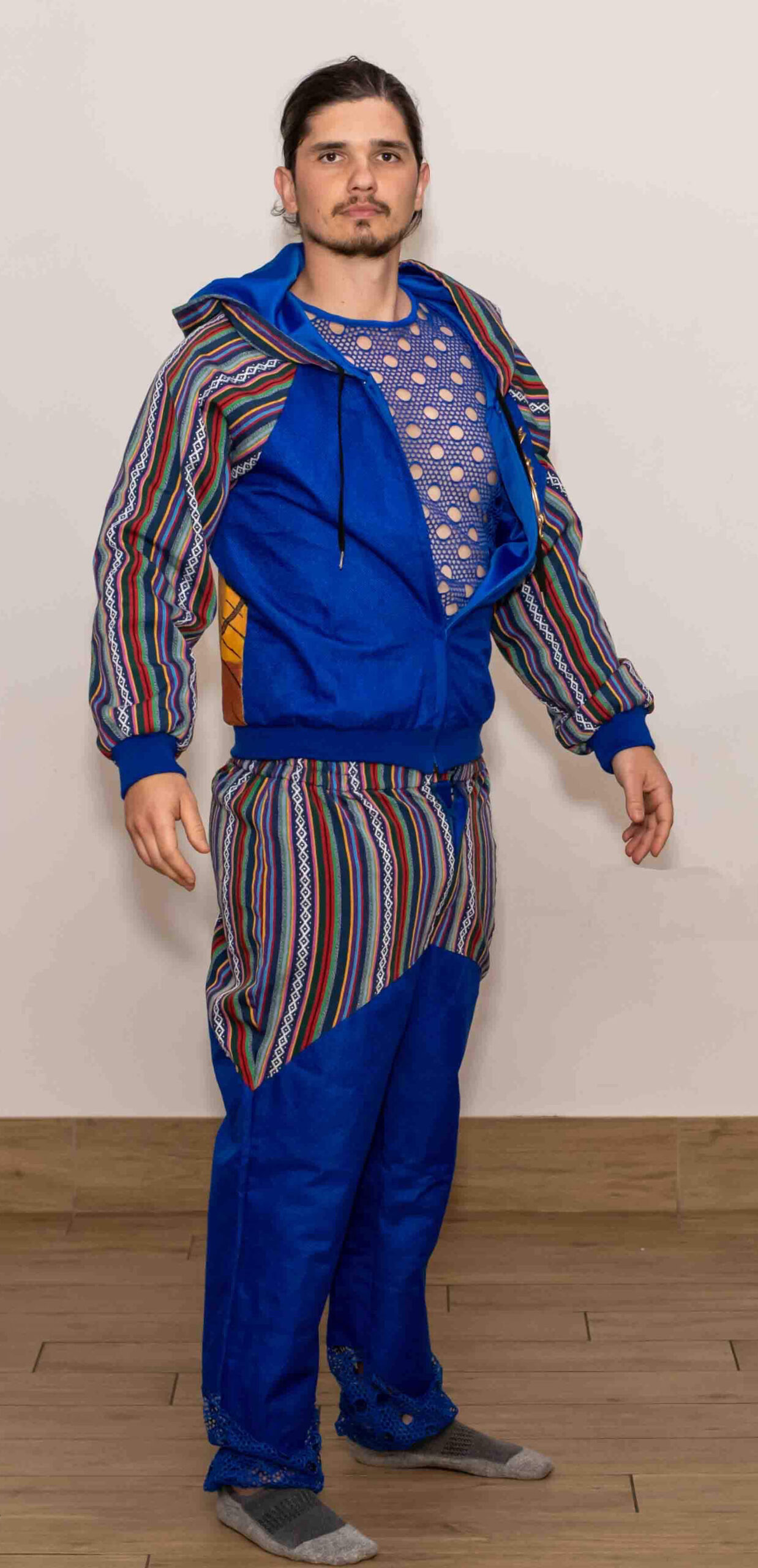
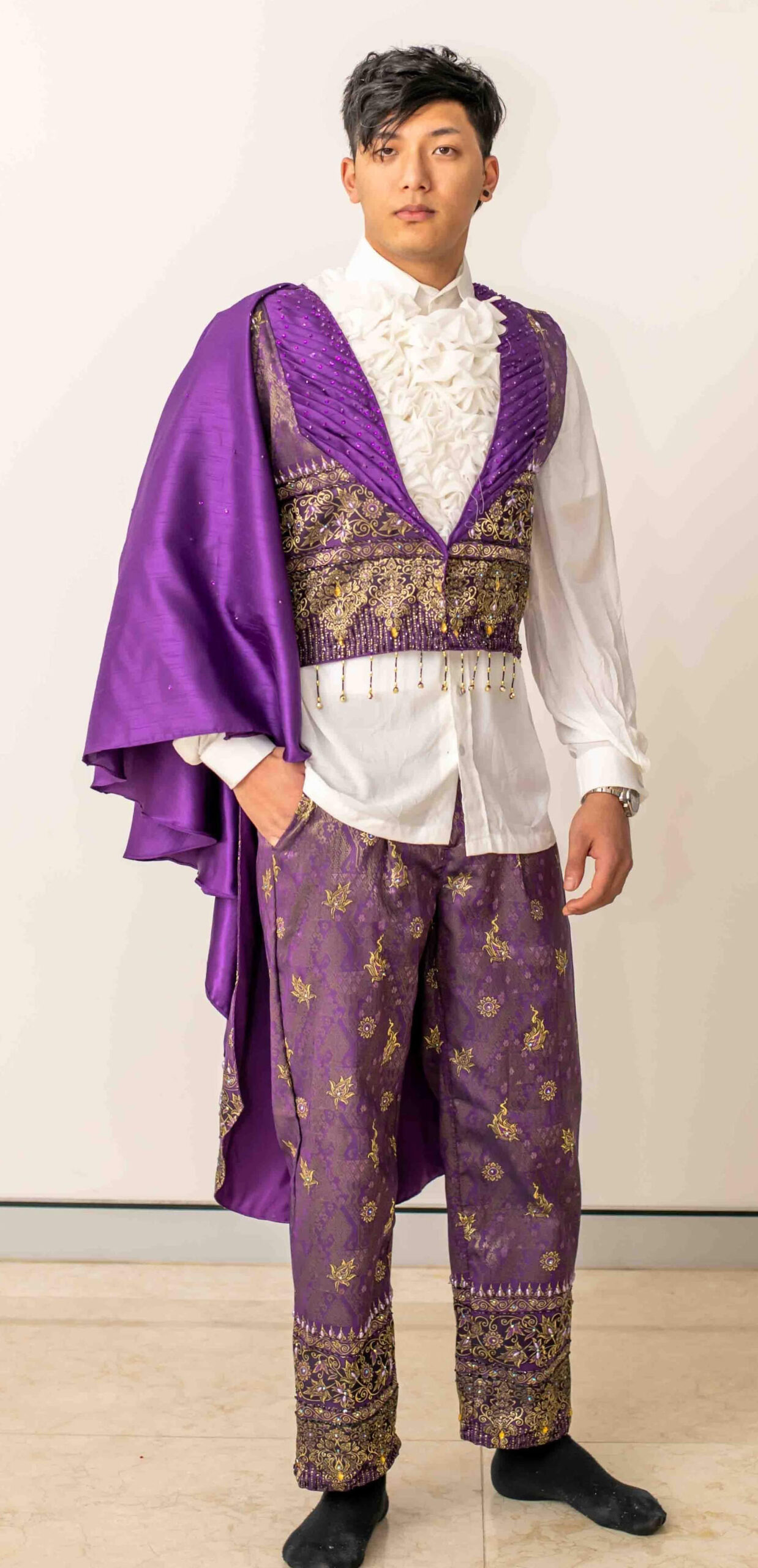
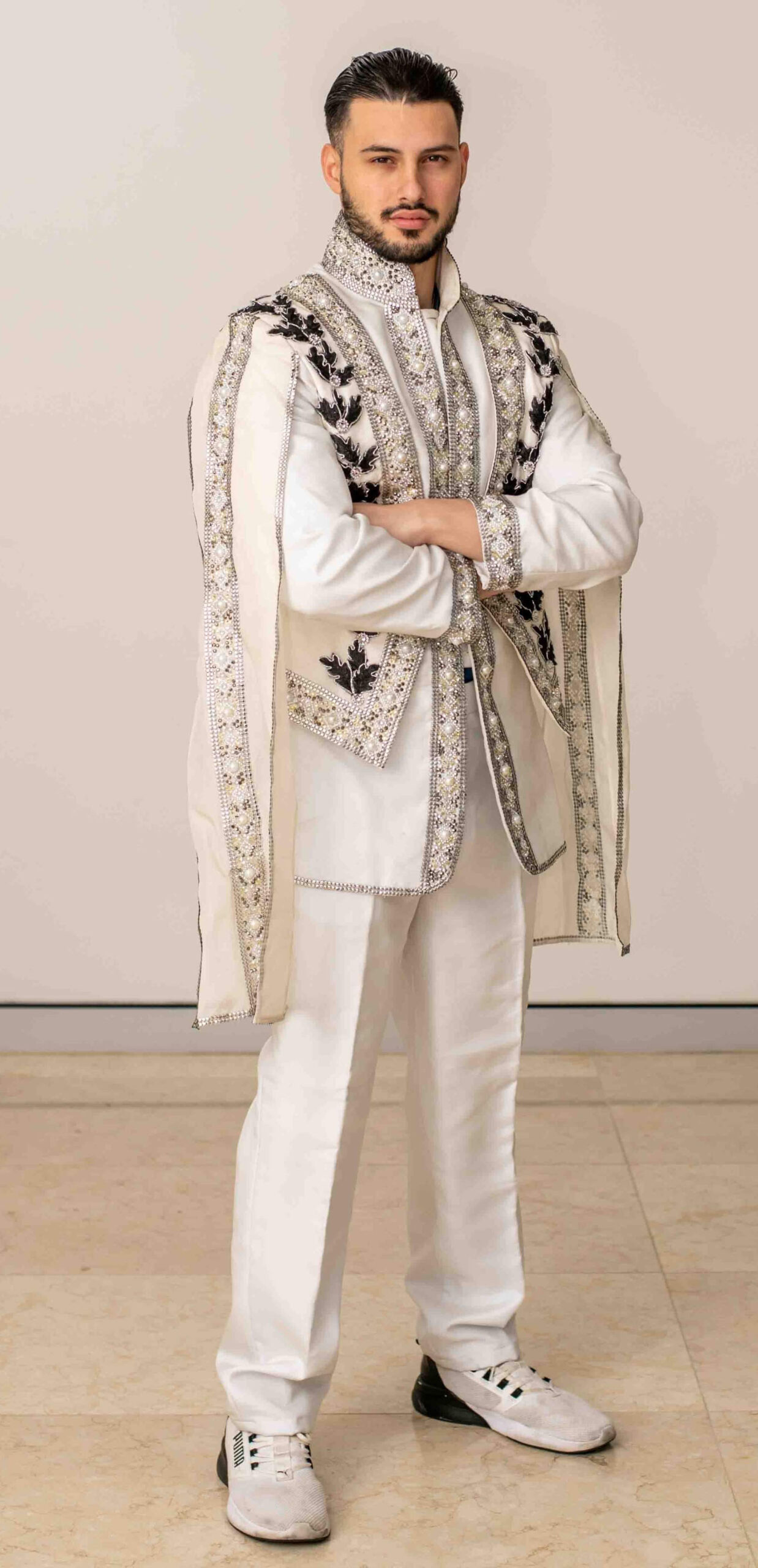
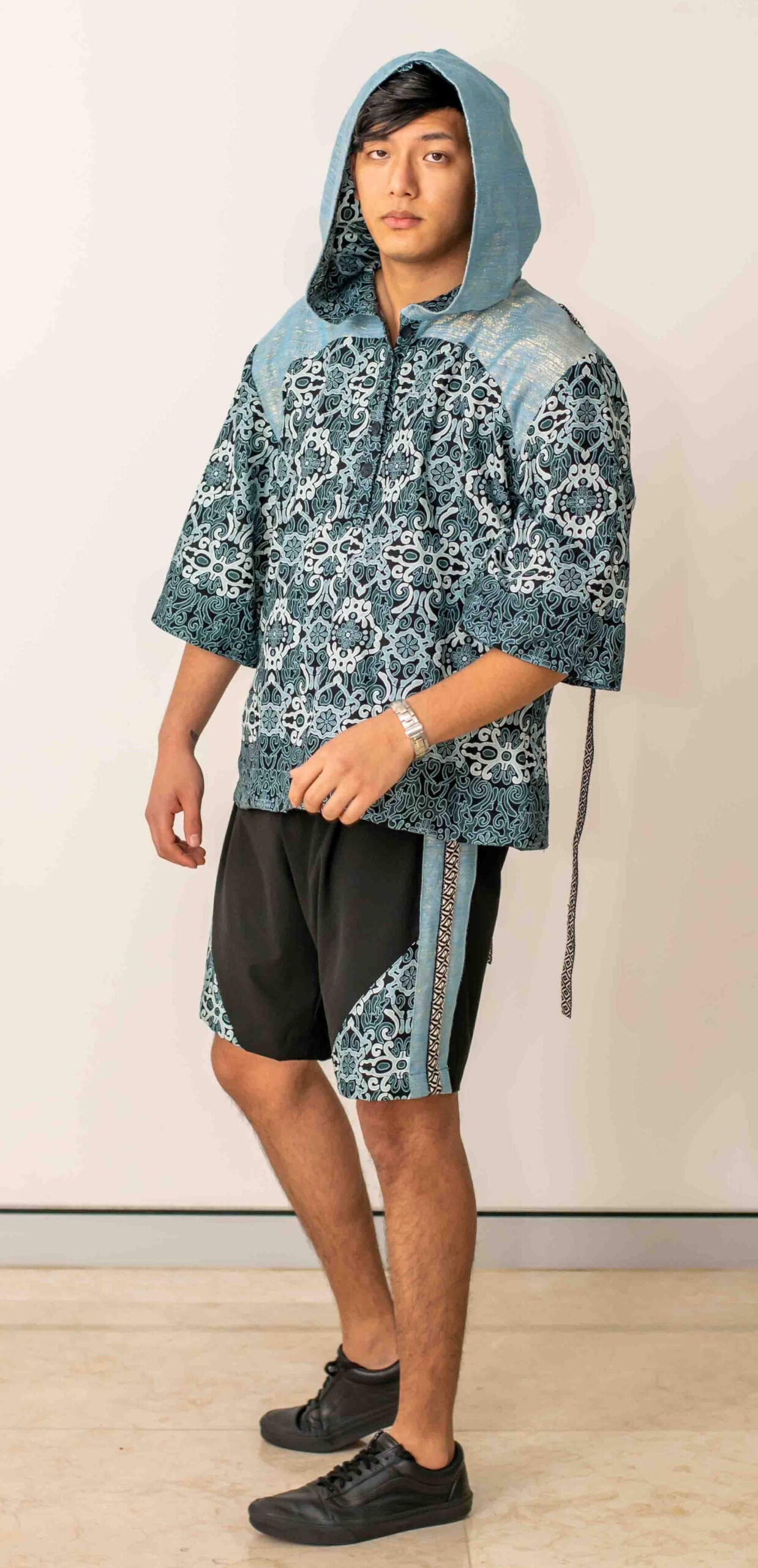
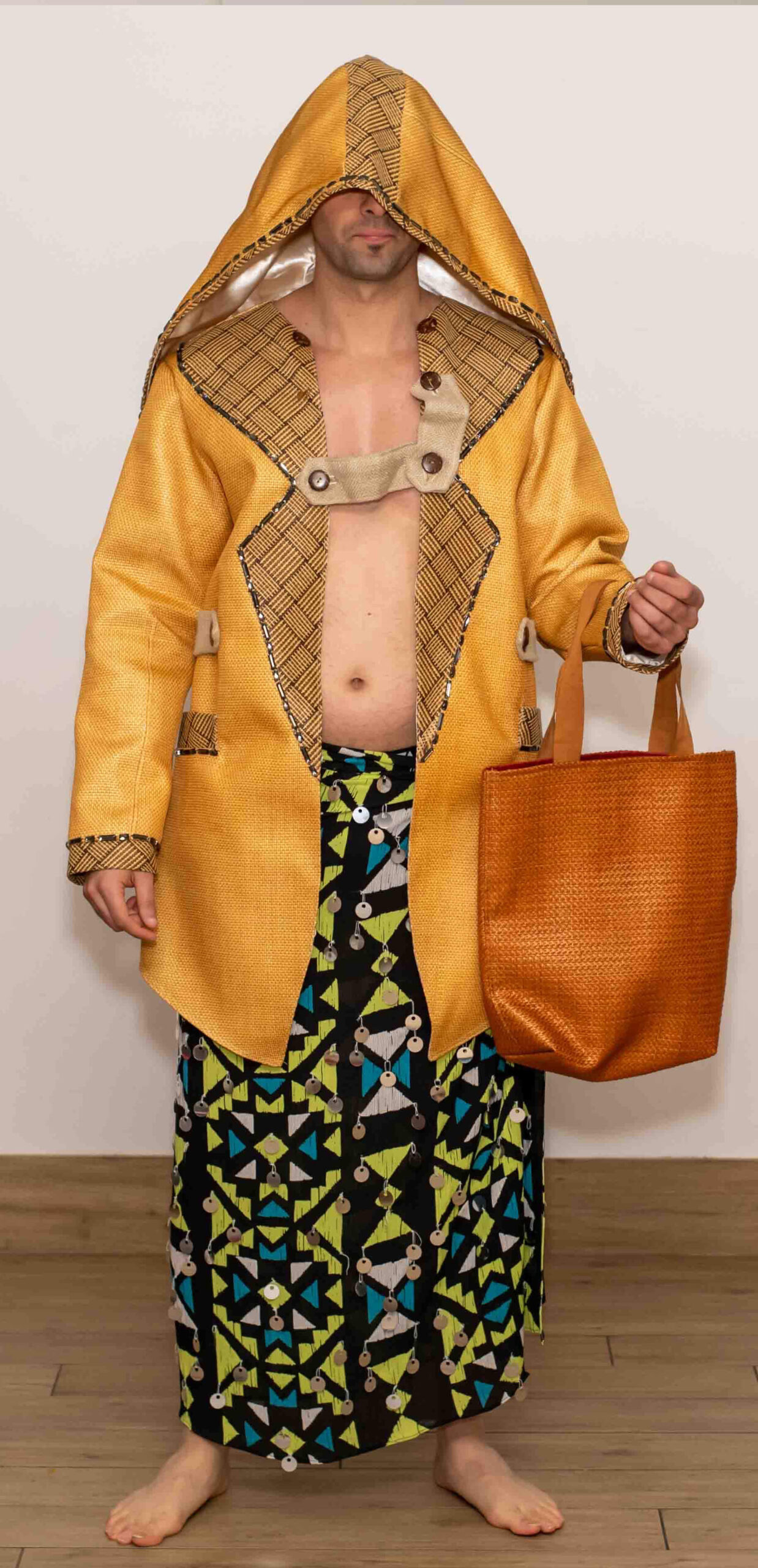
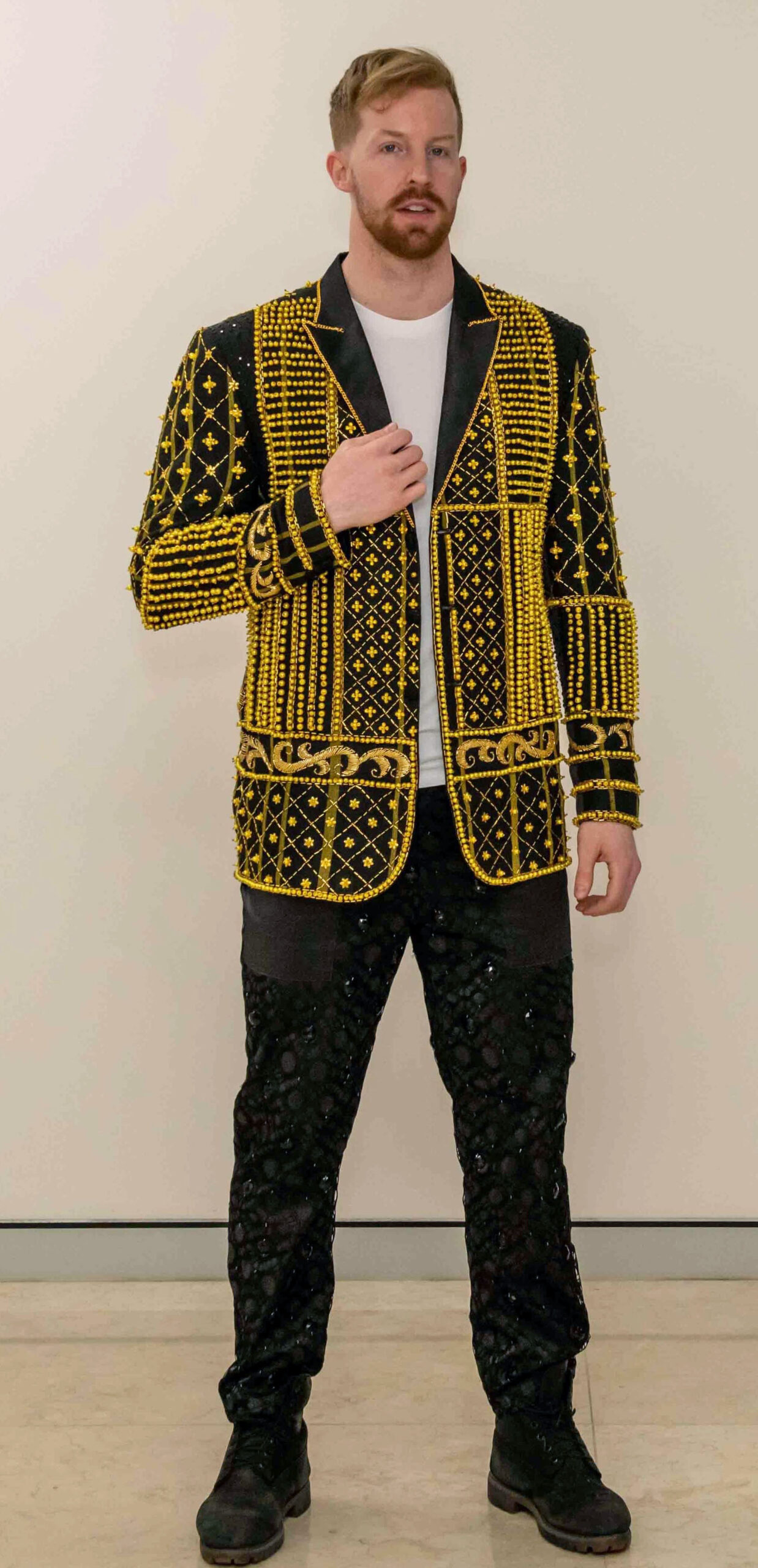
The Philippine fashion scene reached new heights over the weekend as the Philippine International Fashion Festival 2026 brought together designers, models, and creative leaders for a spectacular celebration of style and collaboration. The event was made possible through the partnership of Olan Roque, Founding Chairman of One Designers Club (ODC), alongside the Fil-Oz Entertainment Collective (FEC), StarCentral Magazine, and Moda De Mayo Events.

Photo Credit: Moda De Mayo Events

The festival served as a vibrant platform that showcased the creativity and innovation of Filipino designers while also highlighting the growing cultural collaboration between the Philippines and the global fashion community. With a mix of couture collections, striking runway presentations, and an international cast of models, the event captured the attention of fashion enthusiasts and industry insiders alike.

Photo Credit: Moda De Mayo Events

Among those who took to the runway were StarCentral International Ambassadors Emmy, Taisha, Grace, Zara, Milan, Avayiah, and Reeha, who represented StarCentral Magazine’s global presence. Their confident runway walks and dynamic stage presence brought energy to the festival, demonstrating the rising influence of young international ambassadors in today’s fashion landscape.

Photo Credit: Moda De Mayo Events

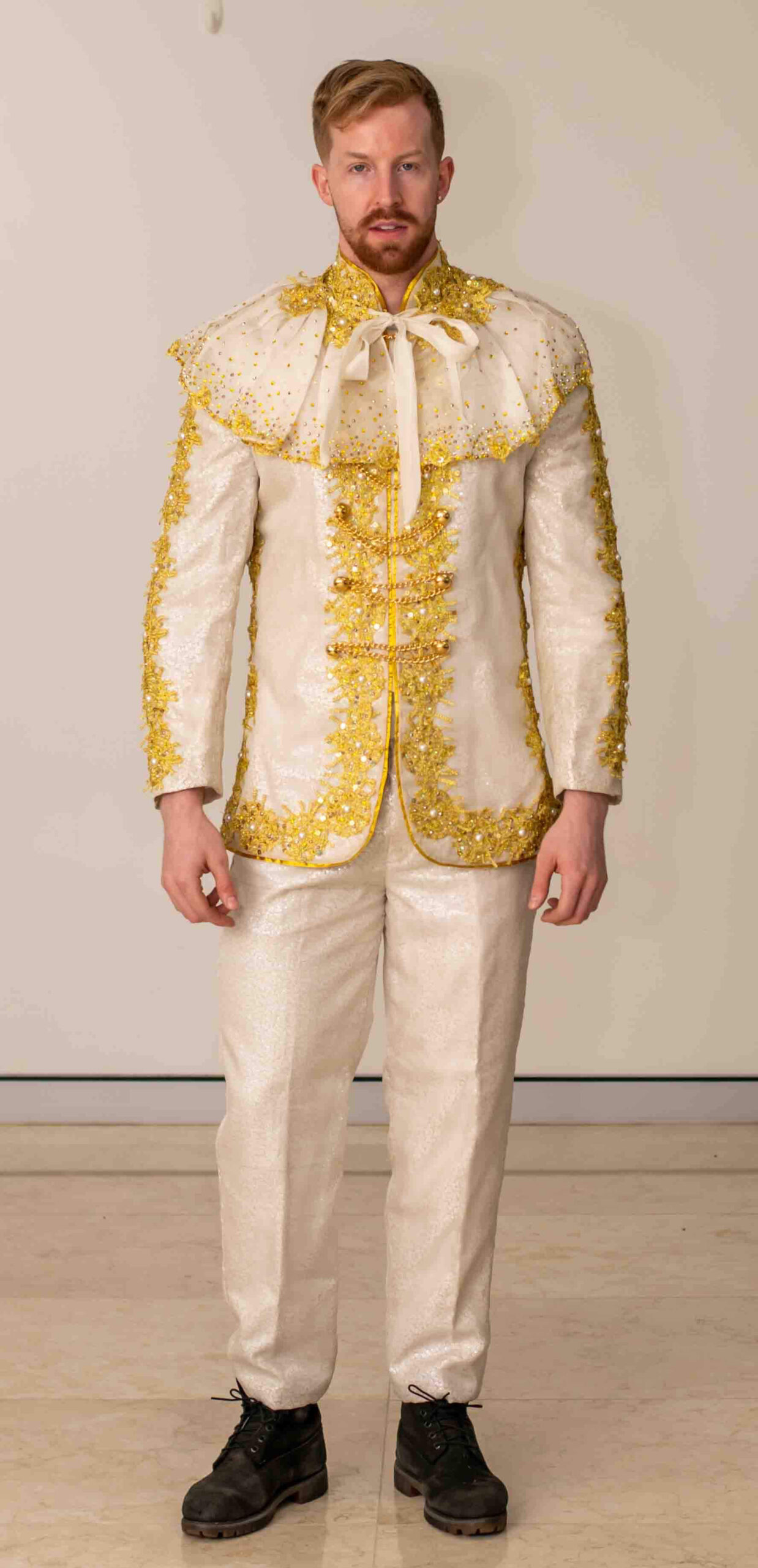
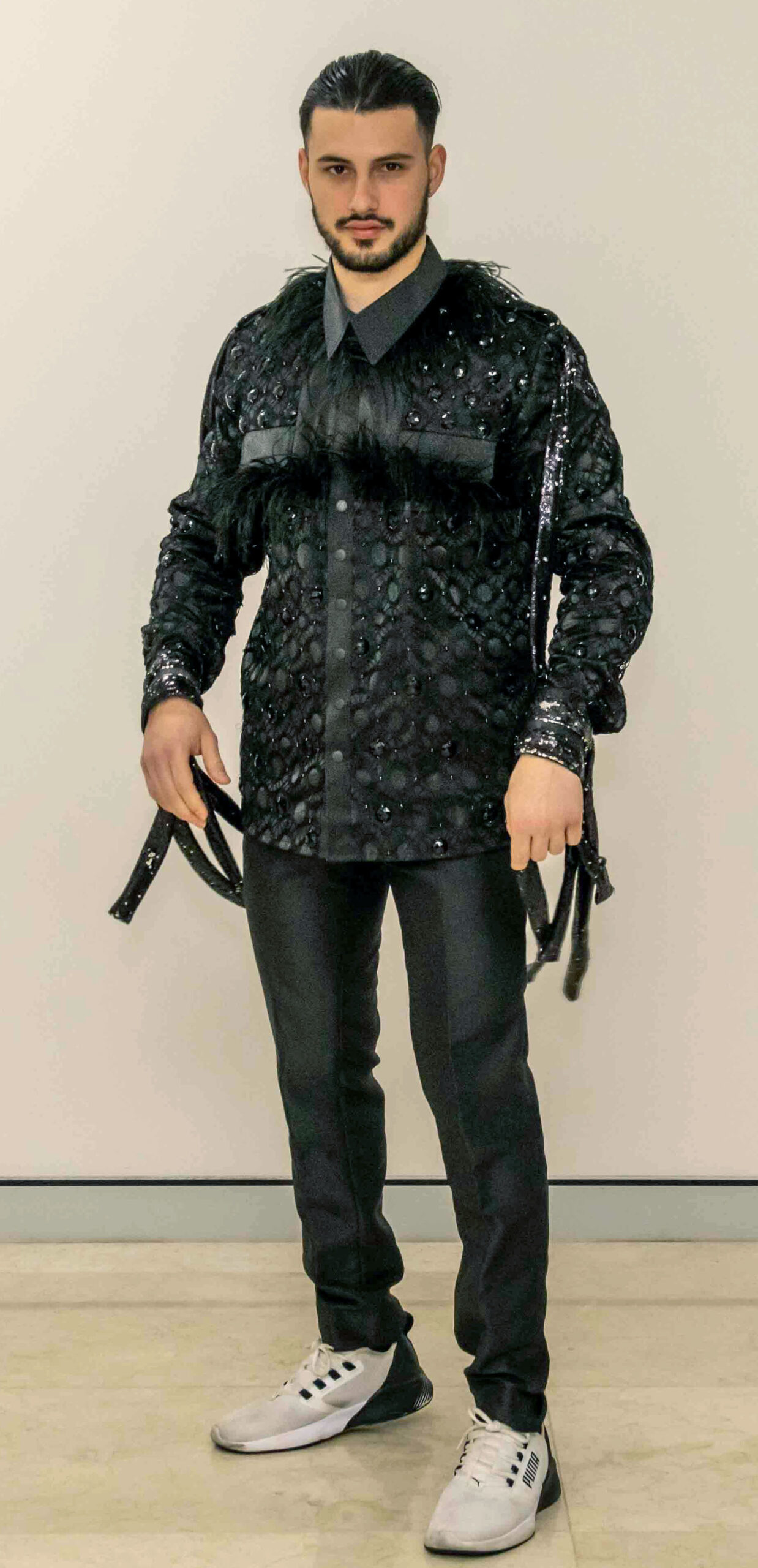
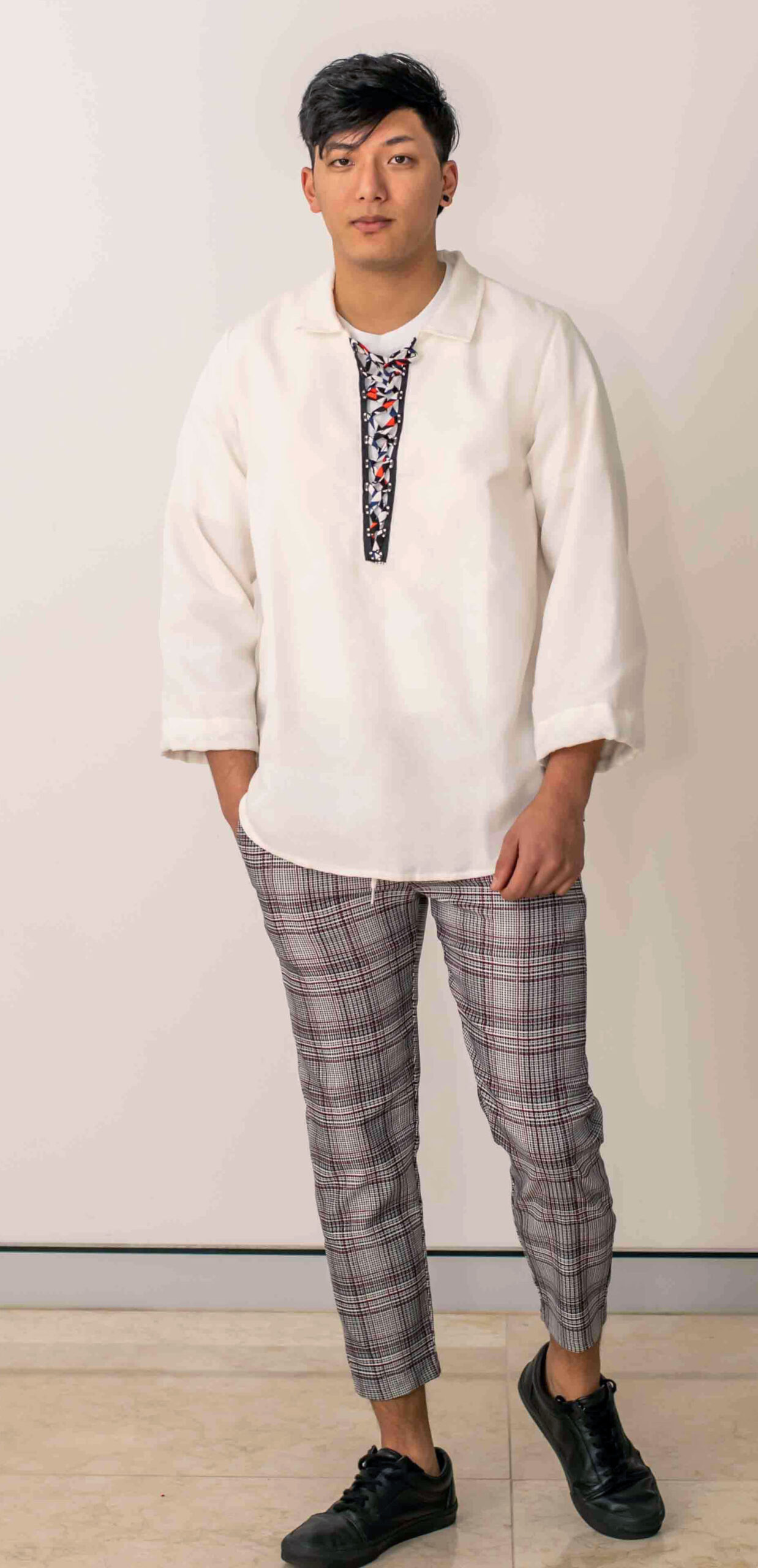
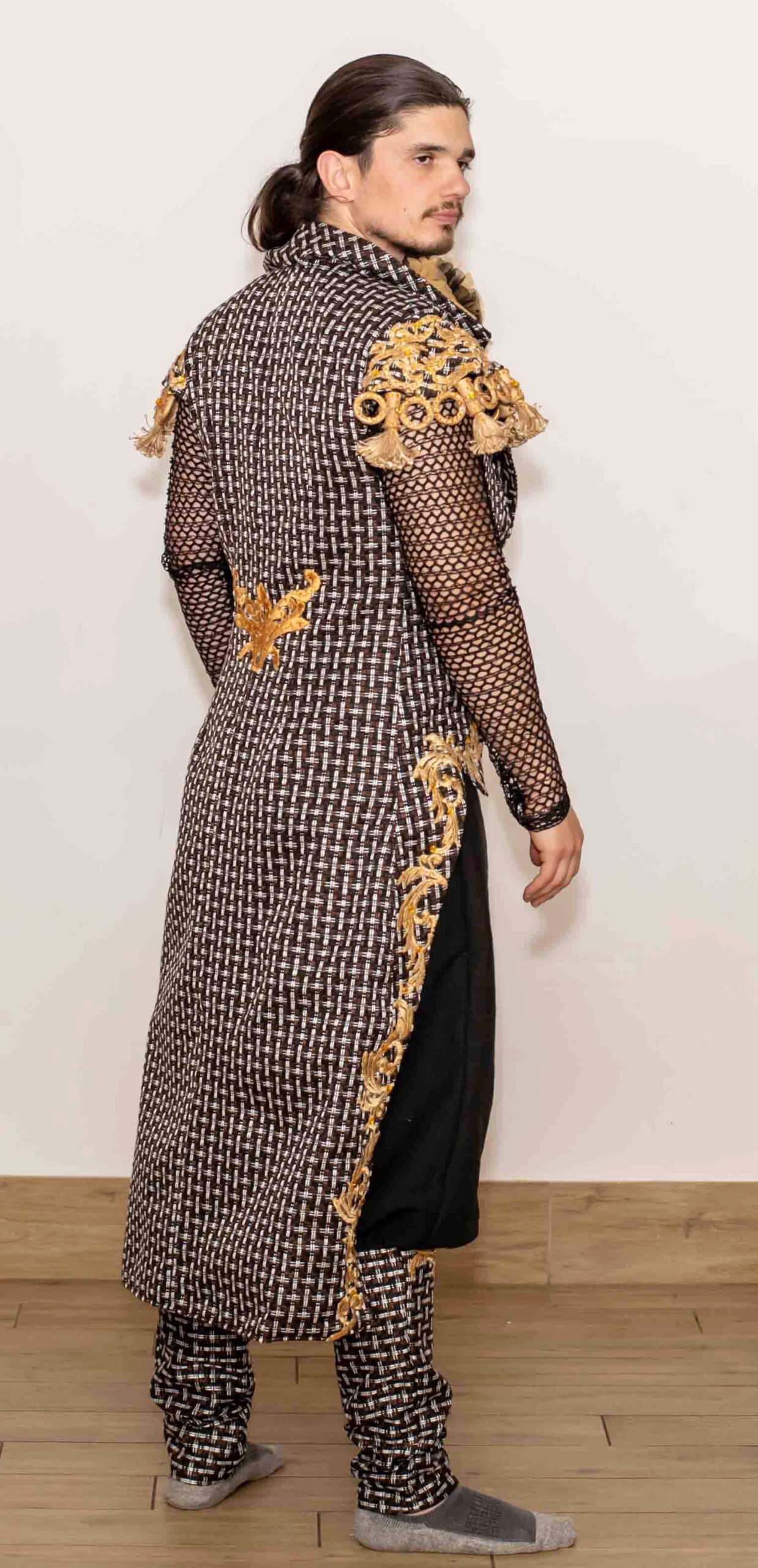
At the heart of the event was the creative leadership of Olan Roque, a respected name in Filipino fashion known for his refined craftsmanship, innovative silhouettes, and daring yet timeless aesthetic. Roque’s journey into the world of couture began internationally. In 1998, he travelled to Dubai, where he gained invaluable experience working within the global fashion industry. During his time abroad, he developed a deep understanding of couture techniques and refined his design approach, blending classic elegance with modern sophistication.

Photo Credit: Moda De Mayo Events

When Roque eventually returned to the Philippines, he established his own atelier in Manila. Over time, the atelier became synonymous with elegance, structure, and meticulous attention to detail. His creations quickly caught the attention of celebrities, performers, and influential personalities who sought his signature blend of glamour and artistry.

Photo Credit: Moda De Mayo Events

Throughout his career, Roque’s designs have been worn by some of the country’s most recognisable figures, including Anne Curtis, Pia Wurtzbach, Kim Chiu, Jaya, Julie Anne San Jose, and the late Francis Magalona. These collaborations have helped cement his reputation as one of the Philippines’ most respected couture designers.

Photo Credit: Moda De Mayo Events

Beyond celebrity fashion, Roque has also made a significant impact in the world of pageantry. His designs have been worn by beauty queens and kings on both national and international stages, reflecting his ability to craft garments that celebrate confidence, individuality, and cultural pride. His work consistently showcases Filipino craftsmanship while maintaining an aesthetic that resonates with global audiences.

Photo Credit: Moda De Mayo Events

In addition to his personal achievements as a designer, Roque has played a vital role in strengthening the fashion industry through his leadership of One Designers Club. The organisation brings together some of Manila’s most prominent designers, creating a collaborative environment where creativity, mentorship, and artistic exchange can flourish. Through ODC, Roque continues to champion the next generation of designers while fostering a supportive community that elevates Philippine fashion on a larger stage.

Photo Credit: Moda De Mayo Events

Events like the Philippine International Fashion Festival demonstrate the power of collaboration within the industry. By bringing together organisations such as the Fil-Oz Entertainment Collective, StarCentral Media Group, and Moda De Mayo Events, the festival created a platform that celebrates diversity, creativity, and international partnership.

Photo Credit: Moda De Mayo Events

Special recognition also goes to Moda De Mayo Events for capturing the stunning moments from the festival through their incredible photography, preserving the glamour and excitement of the runway for audiences to relive long after the final walk.

As the curtains closed on the Philippine International Fashion Festival 2026, one thing was clear: the future of Filipino fashion continues to shine brightly on the global stage, driven by visionary leaders, talented designers, and the collaborative spirit that defines the industry.

The Philippine International Fashion Festival 2026: A Runway Spectacle Not to Be Missed

Fashion lovers and aspiring models, mark your calendars! The Philippine International Fashion Festival (PIFF) 2026 is coming this April, and it promises to be one of the most electrifying runway events of the year. This groundbreaking festival is brought to life through an extraordinary collaboration between the Santa Cruz Municipal Tourism Office, FEC, and StarCentral Magazine from Australia, creating a global platform where style, culture, and talent converge.

Seven of StarCentral International Ambassadors from Australia—Grace, Emmy, Taisha, Milan, Reeha, Zara, and Avayiah—will take centre stage, bringing poise, energy, and international modelling expertise to the runway. They’ll be joined by standout FEC models Eman and Karenza, delivering a showcase of professionalism and charisma that will captivate audiences.

The festival is also a celebration of world-class design. Attendees will experience breathtaking collections from the LDEG group in Laguna, featuring designers Jomari D. de Leon, Hubert M. Umali, Leo Laraño, Jaime Angelo Abenio, John Allan Nograles, Jeffrey P. Bautista, Richard Roque, and Jeffrey Tope, alongside the acclaimed Vida Hayes from Bacolod, Negros Occidental. Each designer combines traditional Filipino artistry with contemporary trends, offering a runway experience that is both innovative and culturally rich.

PIFF 2026 spans two exciting days, with the first show in Santa Cruz and the second in Manila. The event isn’t just about fashion—it’s a celebration of creativity, international collaboration, and modelling excellence. Aspiring models can witness the perfect blend of performance, confidence, and style, learning how top models command the runway and bring designer visions to life.

For the StarCentral Ambassadors, this festival is an incredible opportunity to represent Australia on an international stage while engaging with local talents and renowned designers. Their participation exemplifies the global nature of modern modelling, highlighting the importance of versatility, professionalism, and stage presence.

The Philippine International Fashion Festival 2026 is more than a show—it’s a movement. From the dazzling designs to the world-class models, it promises a runway experience like no other. For models, industry insiders, and fashion enthusiasts, PIFF 2026 is a chance to see talent, creativity, and international flair come together in one unforgettable celebration.

Prepare to be inspired, to witness innovation, and to experience a festival where fashion truly knows no borders. The runway is set, the models are ready, and PIFF 2026 is ready to make history.

Breaking Into the Industry: How to Get Noticed by Top Agencies

Modelling is often perceived as a glamorous world filled with fashion shows, magazine covers, and red-carpet events. While the allure is undeniable, the reality is that breaking into the industry takes preparation, perseverance, and a strategic approach. For aspiring models, getting noticed by top agencies is the first and most critical step toward building a successful career.

Understanding the Industry

Before approaching agencies, it’s essential to understand how the modelling world operates. Agencies are constantly on the lookout for fresh faces, but they also prioritise professionalism, marketability, and potential for longevity. Different agencies specialise in various types of modelling, from high fashion and editorial work to commercial campaigns, plus-size modelling, and lifestyle promotions. Understanding which niche suits your look, personality, and aspirations is key.

High-fashion agencies often seek distinctive features, a strong runway presence, and the ability to photograph well under varying conditions. Commercial agencies, on the other hand, look for versatile models who can connect with a broad audience. By researching agencies thoroughly, aspiring models can target the ones most aligned with their goals.

Building a Strong Portfolio

Your portfolio is your calling card in the modelling world. A professional, well-curated portfolio demonstrates your versatility, range, and potential. For beginners, this doesn’t mean hiring expensive photographers or using heavy editing. Agencies value authenticity and natural talent.

A strong portfolio typically includes a variety of shots: headshots, full-length images, profile angles, and different expressions. It should showcase your ability to adapt to different styles, poses, and moods. Including natural, makeup-free images alongside more styled shots can help agencies see your true potential.

In addition to traditional photography, digital portfolios have become increasingly important. Many agencies now accept submissions via email or online platforms, so having a polished online presence is crucial. Ensure your portfolio is organised, professional, and easy to navigate.

Perfecting Your Presentation

First impressions matter. When submitting to agencies, pay attention to the basics: appearance, posture, and communication skills. Dress simply for castings—solid colours and fitted clothing allow agencies to assess your physique and proportions without distraction. Hair and makeup should be natural, highlighting your features rather than obscuring them.

Professionalism extends beyond physical presentation. Being punctual, courteous, and responsive to communications reflects positively on you and demonstrates that you can be relied upon. Modelling is a collaborative industry, and agencies prefer models who are not only photogenic but also professional and approachable.

Networking and Industry Exposure

Getting noticed isn’t just about submitting photos—it’s about creating opportunities to be seen. Networking plays a vital role in this process. Attend fashion shows, industry workshops, casting calls, and open calls hosted by agencies. These events provide exposure, help you understand industry standards, and allow you to meet professionals who can guide or mentor you.

Social media has also become a powerful tool for aspiring models. Platforms like Instagram, TikTok, and LinkedIn allow models to showcase their work, style, and personality to a global audience. Maintaining a consistent, professional, and visually appealing feed can catch the eye of scouts and agencies, sometimes leading to discovery without ever attending a casting in person.

Targeted Agency Submissions

When submitting to agencies, specificity is better than quantity. Instead of sending your portfolio to every agency, research the ones that align with your style and career goals. Each submission should be personalised, professional, and concise. Include a brief introduction, your measurements, contact information, and a link to your portfolio or social media page.

Avoid over-editing or altering your photos excessively; agencies want to see your natural appearance and potential. Follow submission guidelines carefully—failure to do so can result in your application being overlooked, no matter how talented you are.

Developing Skills and Versatility

Modelling is not only about appearance; it requires skill, adaptability, and confidence. Runway training, posing practice, and learning how to work with photographers can significantly increase your chances of being noticed. Many successful models attend workshops or hire mentors to refine their craft, learning how to convey emotion, project confidence, and adapt to different creative directions.

Versatility is highly valued. Being able to transition from high-fashion editorial to commercial campaigns or lifestyle shoots demonstrates that you can meet the demands of a variety of clients. Agencies are more likely to invest in models who can bring flexibility and reliability to multiple projects.

Patience and Perseverance

Breaking into the industry rarely happens overnight. Even talented models may face rejection, delays, and periods of uncertainty. Persistence and resilience are essential. Rejections should be seen as learning experiences rather than reflections of your potential. Maintaining confidence, continuing to improve your portfolio, and staying engaged with the industry are all critical to long-term success.

The Final Word

Getting noticed by top modelling agencies requires more than just good looks—it requires preparation, professionalism, and strategic action. By understanding the industry, building a strong portfolio, perfecting presentation, networking effectively, and demonstrating versatility, aspiring models can significantly improve their chances of success.

Ultimately, persistence, patience, and a clear sense of purpose are what separate those who break into the industry from those who fade away. The path may be challenging, but with dedication and the right approach, aspiring models can turn ambition into a thriving career in fashion.

Beyond the Runway: Crafting a Model Identity That Matters

mode

In the ever-evolving world of fashion and modelling, talent alone is no longer enough. While a striking look, confidence on camera, and professional work ethic remain essential, today’s successful models understand that personal branding is just as important as their portfolio. The ability to define, project, and manage a personal brand can set a model apart, creating opportunities that extend far beyond the runway or editorial shoot.

Personal branding in modelling is the conscious effort to craft a distinct identity that communicates who you are, what you represent, and how you want the industry and audiences to perceive you. It goes beyond physical appearance and technical skills, encompassing personality, values, interests, style, and even the way you interact online and offline. A strong personal brand is memorable, authentic, and consistent — it tells a story that clients, agencies, and followers can connect with.

The rise of social media has transformed the modelling industry and amplified the importance of personal branding. Platforms like Instagram, TikTok, and LinkedIn are not just tools for self-expression; they have become powerful career-building instruments. A well-curated social media presence allows models to showcase versatility, demonstrate professionalism, and connect directly with brands and fans alike. High-fashion editorials, behind-the-scenes moments, lifestyle shots, and even snippets of everyday life contribute to a narrative that distinguishes one model from another.

Authenticity is the cornerstone of effective personal branding. In an age where audiences can easily detect insincerity, models who remain true to themselves tend to build stronger followings and more meaningful industry relationships. For example, a model passionate about sustainability can incorporate eco-conscious fashion shoots, brand collaborations, and lifestyle content into their online presence. This alignment of personal values with professional output not only attracts like-minded brands but also resonates with audiences who appreciate authenticity.

Consistency is equally vital. Every post, campaign, interview, or appearance contributes to the story a model tells about themselves. Mixed messages or frequent shifts in style and persona can confuse potential clients and followers. For instance, a model known for high-fashion editorial work should maintain a level of sophistication and creativity in their portfolio and social media presence, even when experimenting with commercial or lifestyle projects. By keeping a coherent narrative, models reinforce their personal brand and make it easier for the industry to understand their unique value proposition.

Collaboration is another key aspect of personal branding. Models who actively engage with photographers, stylists, designers, and fellow creatives can develop a reputation as reliable, innovative, and adaptable. Positive collaborations often lead to repeat bookings and referrals, further strengthening a model’s professional identity. Sharing credit and promoting collaborative work on social media can also expand reach, introducing the model to new audiences and potential clients.

Education and skill development enhance a model’s brand, too. Those who invest in acting, dance, or public speaking, for instance, can incorporate these abilities into their personal story. A model who demonstrates versatility and commitment to growth appears more valuable to agencies and brands seeking talent capable of adapting to different campaign styles. Beyond technical skills, maintaining knowledge of fashion trends, industry news, and brand values also adds credibility to a model’s brand, positioning them as informed and professional.

It’s important to note that personal branding isn’t limited to online spaces. Offline presence is equally influential. How a model conducts themselves at castings, during shoots, and in networking environments contributes to reputation. Punctuality, preparedness, and professionalism reinforce the image cultivated online, creating a cohesive experience for clients and collaborators. The strongest personal brands translate seamlessly across both digital and real-world interactions.

Models who master personal branding can also take control of their career trajectory. In an industry where opportunities can be unpredictable, a well-established brand allows models to create their own momentum. They can attract the right clients, negotiate better contracts, and even expand into other ventures such as endorsements, ambassador roles, or creative collaborations. Personal branding turns models from passive participants into active architects of their career, giving them influence and longevity.

Examples of successful personal branding in modelling are evident in both Australian and global markets. Models who have leveraged social media and strong personal narratives have transcended traditional modelling roles, building businesses, launching product lines, and influencing fashion trends. Their identities are not defined solely by their looks but by a combination of creativity, professionalism, relatability, and purpose. They show that modelling today is as much about storytelling and connection as it is about aesthetics.

Ultimately, personal branding in modelling is about clarity, authenticity, and consistency. It is about defining what makes a model unique, showcasing it thoughtfully across all platforms, and reinforcing it through actions, collaborations, and professionalism. By embracing personal branding, models can move beyond being just faces in magazines or on runways; they become influential voices in fashion, trendsetters, and enduring icons.

In a competitive industry, the power of personal branding cannot be underestimated. It transforms models into more than their physical attributes — it gives them presence, influence, and longevity. Those who understand and harness this power are not only remembered; they are sought after, celebrated, and positioned for lasting success.

The Future of Modelling: Diversity, Inclusion, and Redefining Beauty Standards

The modelling industry has long been synonymous with glamour, aspiration, and high fashion. But for decades, it has also faced criticism for being narrow in its definition of beauty. For too long, catwalks, campaigns, and magazine covers prioritised a single body type, skin tone, or age bracket, leaving many talented individuals overlooked. In 2026, however, the industry is undergoing a profound transformation. Diversity and inclusion are no longer optional; they are reshaping the future of modelling.

Expanding the definition of beauty

Today’s fashion and modelling world is embracing a broader spectrum of what beauty can look like. Agencies are actively seeking models of all body shapes, sizes, ages, ethnicities, and abilities. Campaigns now feature real people who represent the diverse audiences consuming the brand’s products, from vibrant multicultural representation to models living with disabilities.

This shift is more than symbolic. Research shows that consumers respond positively to campaigns that reflect real-life diversity, fostering deeper brand loyalty and engagement. For models, it means a greater opportunity to succeed based on talent, presence, and individuality rather than fitting a rigid, traditional mould.

Age and experience matter

Gone are the days when modelling careers were restricted to teenagers and young adults. Age diversity is increasingly celebrated, with brands highlighting models in their 30s, 40s, and beyond. These models bring authenticity, confidence, and lived experience to their work — qualities that resonate with audiences craving relatability over perfection.

Mature models are not only thriving in beauty campaigns and high fashion but also in commercial and lifestyle markets. They challenge the outdated perception that modelling is exclusive to the young, proving that charisma, professionalism, and style are ageless.

The power of representation

Representation matters in modelling because it shapes how society views beauty and self-worth. For communities historically excluded from mainstream fashion, seeing themselves reflected on runways and in campaigns can be transformative. It normalises diversity and encourages acceptance, not only in the fashion world but in wider society.

Australian agencies are increasingly signing talent from Indigenous backgrounds, multicultural communities, and regional areas, ensuring that campaigns feel authentic and inclusive. Social media has also played a pivotal role, allowing models from underrepresented groups to build followings independently, showcase their work, and influence industry trends without waiting for traditional gatekeepers.

Mental health and wellbeing

The push for inclusion is closely tied to a focus on mental health. A more diverse modelling landscape fosters healthier environments where models are celebrated for their individuality, not forced to conform to unrealistic or homogenised ideals. This shift encourages confidence, resilience, and sustainable careers.

Agencies and brands are now providing mental health support, professional development, and mentoring, recognising that inclusion is about more than casting — it’s about creating a safe and empowering space for talent to flourish.

Challenges remain

While progress has been made, challenges still exist. Tokenism, where brands include diverse models superficially rather than meaningfully, can undermine genuine efforts. Moreover, systemic barriers, such as unequal access to agencies or high-fashion markets for regional and minority talent, remain.

The industry must continue evolving, not only in who it casts but in how it supports, remunerates, and respects its models. True inclusion requires structural change, cultural understanding, and a commitment to celebrating difference at every level.

Looking to the future

The modelling industry of 2026 is far more reflective of the society it serves. Diversity and inclusion are no longer trends; they are standards that define modern fashion. Models of all backgrounds, shapes, ages, and abilities are not only entering the industry but thriving within it.

For brands, embracing this evolution is a pathway to authenticity, consumer connection, and innovation. For models, it is a chance to build careers that celebrate individuality, voice, and presence over arbitrary ideals.

Ultimately, the future of modelling is about representation, authenticity, and redefining what it means to be beautiful. By valuing diversity and inclusion, the industry is creating a space where talent can shine in its many forms, challenging outdated norms and inspiring the next generation of models — and fashion lovers — to see beauty in all its richness.

In a world moving towards equality and acceptance, the runway has become a stage not just for style but for progress. And that is the most exciting look of all.

The Future of Modelling: Trends Set to Shape 2026

The modelling world is evolving rapidly, and 2026 promises to be a year of innovation, inclusivity, and bold creativity. Across global runways and digital campaigns, the industry is embracing diversity, technology, and sustainability, while redefining what it means to be a model in the modern era.

One of the biggest trends for 2026 is diversity and representation. Agencies and brands are increasingly highlighting models of all shapes, sizes, ethnicities, and abilities. The demand for authentic storytelling through models’ unique identities is growing, with campaigns showcasing real-life experiences rather than relying solely on traditional beauty standards. Australian agencies are following this global movement, seeking talent that resonates with a broad audience and reflects the nation’s multicultural landscape.

Digital modelling and virtual influencers are also gaining momentum. The rise of CGI models and AI-powered digital talent is changing how brands connect with audiences online. Virtual models can walk virtual runways, appear in social media campaigns, and even interact with fans in real time. While traditional modelling remains crucial, digital talent provides brands with flexibility, scalability, and the ability to experiment with creative concepts that were previously impossible.

Sustainable fashion modelling is another significant trend. Models are increasingly advocating for eco-conscious brands, ethical production, and transparent supply chains. Runways and photoshoots are moving towards sustainable practices, using recycled materials, zero-waste sets, and environmentally responsible styling. For models, this means engaging in campaigns that align with their values while influencing consumer behaviour toward a more sustainable future in fashion.

Gender-fluid and inclusive casting continues to reshape the modelling landscape. Many agencies now represent non-binary and gender-fluid talent, reflecting changing societal attitudes and the demand for fluidity in fashion storytelling. In 2026, campaigns will increasingly feature models who challenge traditional gender norms, creating visually striking and culturally relevant work that resonates with diverse audiences.

Health and well-being are front and centre in the modelling industry. With mental health and body positivity movements gaining traction, agencies are prioritising support for their talent. Models are encouraged to maintain realistic expectations, balanced lifestyles, and to engage in open dialogue about physical and mental health. This holistic approach is changing industry perceptions and setting new standards for professionalism and care.

The blurring of modelling and social media influence remains a defining trend. Many models are also content creators, using platforms like TikTok, Instagram, and YouTube to build personal brands, collaborate with major labels, and engage with fans directly. Social media presence is now an essential aspect of a model’s portfolio, offering opportunities to influence trends, promote products, and cultivate global recognition.

Finally, storytelling through individuality is key. 2026 modelling is less about fitting a single mould and more about showcasing personality, authenticity, and creativity. Models are being valued not just for how they look, but for the stories they tell and the communities they represent. This shift is empowering talent and pushing the industry toward a more inclusive, innovative, and future-focused direction.

As we move through 2026, the modelling world is clearly evolving into a space that values diversity, technology, sustainability, and self-expression. For aspiring models and industry veterans alike, this year offers the opportunity to embrace change, challenge norms, and define the next chapter of fashion storytelling.

Model & Mode Magazine Presents Semra Hunter: A Study in Elegance, Intellect, and Global Impact

Semra Hunter has never fit neatly into the established mould of sports broadcasting, and that may be precisely why she has come to occupy such an influential place within it. In a field where authority is often inherited through accent, geography, or tradition, Hunter built hers deliberately—through language, cultural fluency, and an insistence on understanding football not merely as a game, but as a social force.

A bilingual broadcaster fluent in English and Spanish, Hunter is now a familiar presence at the highest levels of international sport. Her career has unfolded across Champions League finals, World Cup tournaments, and global football summits, where she has interviewed some of the most recognisable names in sport, including Xavi Hernández, Luís Figo, Usain Bolt, and Michael Phelps. These encounters have never been performative. They are marked instead by an ease that comes from preparation and mutual respect, the result of years spent earning credibility rather than assuming it.

Hunter’s path into European football media was far from direct. Born in the United States, she relocated to Spain in 2007, entering a broadcasting culture that had little precedent for American voices—particularly female ones—within its most traditional institutions. Acceptance was not immediate. Rather than attempting to bypass resistance, Hunter immersed herself. She became fluent in Spanish, focused her expertise on La Liga, and invested deeply in the cultural rhythms that shape how football is lived and understood in Spain. Over time, her adopted country became more than a professional base. It became a personal one, culminating in Spanish citizenship and a reputation built on fluency, patience, and credibility.

What distinguishes Hunter is not simply her presence but the way she redefined it. As one of the few bilingual women operating at the highest levels of global football coverage, she did not conform to existing templates of authority. Instead, she created her own. Her work bridges linguistic and cultural divides that often exist in parallel, offering a form of sports journalism that is both analytically rigorous and socially aware. Representation, in her case, has never been about visibility alone but about permanence—ensuring that access leads to lasting change.

Her global perspective is rooted in a life shaped by movement. With Turkish heritage and American upbringing, Hunter spent much of her early life travelling between cultures, developing an instinctive curiosity about the world beyond national borders. Sport became the medium through which that curiosity found expression. From Europe to the Middle East, Asia, Australia, and Latin America, football provided entry not only into stadiums, but into communities and collective emotion. The game’s universality, she has observed, lies less in its rules than in its ability to reflect shared human experience.

In recent years, Hunter’s work has expanded beyond broadcasting. Now based in Morocco, she has co-founded Saharai Tours, a cultural travel venture offering immersive, community-based experiences across the country. The project, developed with her Moroccan partner, reflects the same principles that have guided her journalism: respect for local knowledge, a commitment to authenticity, and a belief in connection over consumption. Saharai prioritises local guides, artisan,s and family-run riads, positioning travel not as spectacle, but as participation.

The shift from journalism to entrepreneurship is less a departure than an extension. Where Hunter once reported stories, she is now facilitating them. The goal remains unchanged—to create understanding through proximity and lived experience. Morocco, particularly Marrakech, offered not just inspiration, but alignment with a slower, more intentional way of engaging with place and people.

Throughout her career, Hunter has remained sceptical of superficial influence. In an industry increasingly shaped by metrics and immediacy, she has argued for the enduring value of empathy, curiosity, and integrity. For young women, particularly those navigating bilingual or multicultural identities, her trajectory offers a quiet counter-narrative: authority need not be granted to be legitimate; it can be built, patiently and on one’s own terms.

As she looks ahead to future broadcasting projects, international events, and the continued growth of Saharai Tours, the through line remains clear. Whether standing pitch-side at a World Cup or walking through a Moroccan medina, Semra Hunter’s work is driven by connection. In bridging cultures, language,s and industries, she has crafted a form of influence that resists easy categorisation—one that reflects not the speed of modern media, but its depth.

Glamour and Style Shine at 2025 Sydney’s Best Dressed Event

Sydney’s fashion scene sparkled at the 2025 Sydney’s Best Dressed event, held at the prestigious Sir Stamford Circular Quay. The evening brought together style icons, influencers, and fashion enthusiasts for a celebration of glamour, elegance, and creativity.

The event, captured beautifully by Picky Pics, showcased stunning high-fashion moments as attendees embraced bold, sophisticated, and trend-setting looks. Among the distinguished guests were Bella Dela Cruz, Miss International Australia 2025, and Adriana Gravdor, Miss Eco Australia 2025, who turned heads with their impeccable style and presence.

From chic evening gowns to avant-garde ensembles, the runway-inspired gathering highlighted Sydney’s most stylish individuals while providing a platform for local designers and fashionistas to shine. Guests mingled against the backdrop of Sydney Harbour, making the event not just a celebration of fashion, but also of culture, community, and creativity.

With professional photography capturing every moment courtesy of Picky Pics, the 2025 Sydney’s Best Dressed event has firmly cemented itself as a highlight on the city’s fashion calendar, inspiring style lovers across the region.

Introducing Myra Sharp: Meet The Rising Star Behind The Latest Issue Of Model & Mode Magazine

Download Now

At just 11 years old, Myra Sharp is already proving that age is no barrier when it comes to style, ambition, and a flair for the spotlight. With high school on the horizon, this bright young talent is balancing school, friendships, fashion, and even her own business with grace and confidence—making her one to watch in Australia’s next generation of trendsetters.

From the very beginning, Myra has embraced creativity in every form. Whether it’s experimenting with make-up and skincare, drawing, singing, or dancing, she finds endless joy in self-expression. Her love for glamming up her outfits is undeniable—every ensemble is thoughtfully styled, reflecting both her personality and her playful take on fashion. “I just love dressing up,” she admits with a smile. “It makes me feel confident and happy.”

But Myra is far more than a budding fashionista. Earlier this year, she launched her own hobby business, crafting beautifully scented candles that have quickly become a hit. What began as a passion project has evolved into a thriving little brand, with her creations in high demand. Her vision? To save her earnings for something remarkable—her first home. It’s an ambitious goal for someone so young, but Myra is proving that determination is part of her DNA.

Nature also plays a key role in her world. Whether she’s swimming at the beach, relaxing by the lake, or simply appreciating the beauty of the outdoors, Myra feels inspired by Mother Nature in all her forms. This balance between the glamour of fashion and the grounding influence of nature gives her a unique perspective that shines through in everything she does.

Her love for style has already seen her take on the runway, walking at Melbourne Kidz Fashion Week, where she lit up the stage with confidence and charisma. She has also been a finalist as well as a major sponsor of Dreams To Reality Runway, further showcasing her commitment to supporting and engaging with the fashion industry

Behind the glittering achievements, Myra remains a fun-loving pre-teen who cherishes her friendships and shares a special bond with her twin brother. But when the lights hit the runway, she transforms into a confident young star with all the makings of a future icon. With a thriving business, a natural flair for fashion, and an undeniable presence both on and off the runway, Myra Sharp is not just a name to remember—she’s a future powerhouse in the making. Aspiring to become a paid model, she continues to build her portfolio and gain valuable experience. As she prepares to step into high school, one thing is certain: her journey is only just beginning.

Queens of Australia 2025: A New Era of Empowerment and Leadership Begins

Photo Credit: Bob Reyes

The journey to the Queens of Australia 2025 pageant has officially begun, bringing together nine young women from across the country who will compete for three international titles: Miss Earth Australia, Miss International Australia, and Miss Eco Australia.

The event, set for September 7 at the Bryan Brown Theatre in Bankstown, represents the inaugural staging of Queens of Australia, a new organisation positioning itself as more than a beauty competition. Its focus, organisers say, is on purpose-driven leadership, sustainability, and community advocacy.

This year’s contestants — Adriana Gravador, Parneet Kaur, Christine Mae Macayana, Tania Shackelton, Andrea Adrias, Kiki Begashaw, Alexa Roder, Jamie Boyd, and Bella Dela Cruz — each bring a personal platform, ranging from environmental initiatives to social justice causes. The emphasis, according to organisers, is on finding titleholders who will serve as ambassadors for Australia on the international stage while amplifying voices often left out of mainstream conversation.

The lead-up to the coronation began with an orientation session at Bankstown Sports Club, led by director Marc Baylon, followed by a photo and video shoot conducted by Mike Ilagan and Dave Choo of StarCentral Magazine, alongside photographer Bob Reyes. Delegates then took part in a training program led by Susanna Downes, Miss Earth Australia 2019 and current pageant manager, with assistance from Sarah Tute, Miss Earth-Water Australia 2024.

The day concluded with a dinner at La Piazza, also in Bankstown Sports Club, featuring the official sashing ceremony and a crown reveal, both of which formally marked the beginning of the competition.

The ceremony was attended by a range of notable guests, including former national titleholders Helen Latukefu (2023), Monique Shippen (2018), Keisha Ann Nicole Tungol (Air 2024), Kajol Chand (Water 2023), and Ms. Tute. Their presence underscored the continuity of the pageant community while highlighting the legacy into which this year’s delegates are stepping.

For many observers, the Queens of Australia represent an evolution in how pageantry is being reframed for a new generation. “This is not just about beauty,” said Ms. Downes. “It’s about advocacy, leadership, and giving women a platform to influence change.”

As anticipation builds ahead of the September coronation, supporters say the competition reflects a broader shift in cultural attitudes — one that balances glamour and tradition with issues of sustainability and social responsibility.

The nine contestants now face months of preparation, appearances, and training before one is crowned. For the winners, the crown offers not just a title, but an opportunity to carry their message to an international audience.