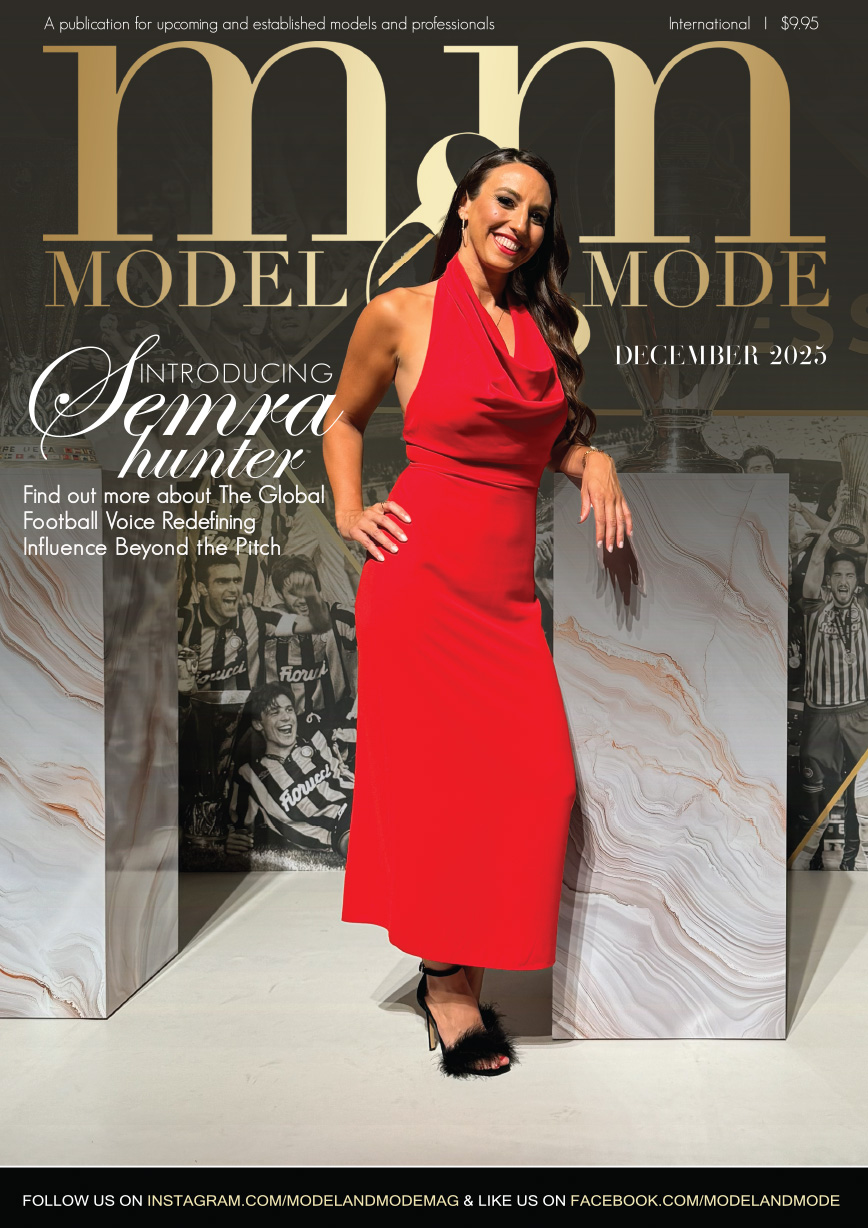
Semra Hunter has never fit neatly into the established mould of sports broadcasting, and that may be precisely why she has come to occupy such an influential place within it. In a field where authority is often inherited through accent, geography, or tradition, Hunter built hers deliberately—through language, cultural fluency, and an insistence on understanding football not merely as a game, but as a social force.
A bilingual broadcaster fluent in English and Spanish, Hunter is now a familiar presence at the highest levels of international sport. Her career has unfolded across Champions League finals, World Cup tournaments, and global football summits, where she has interviewed some of the most recognisable names in sport, including Xavi Hernández, Luís Figo, Usain Bolt, and Michael Phelps. These encounters have never been performative. They are marked instead by an ease that comes from preparation and mutual respect, the result of years spent earning credibility rather than assuming it.
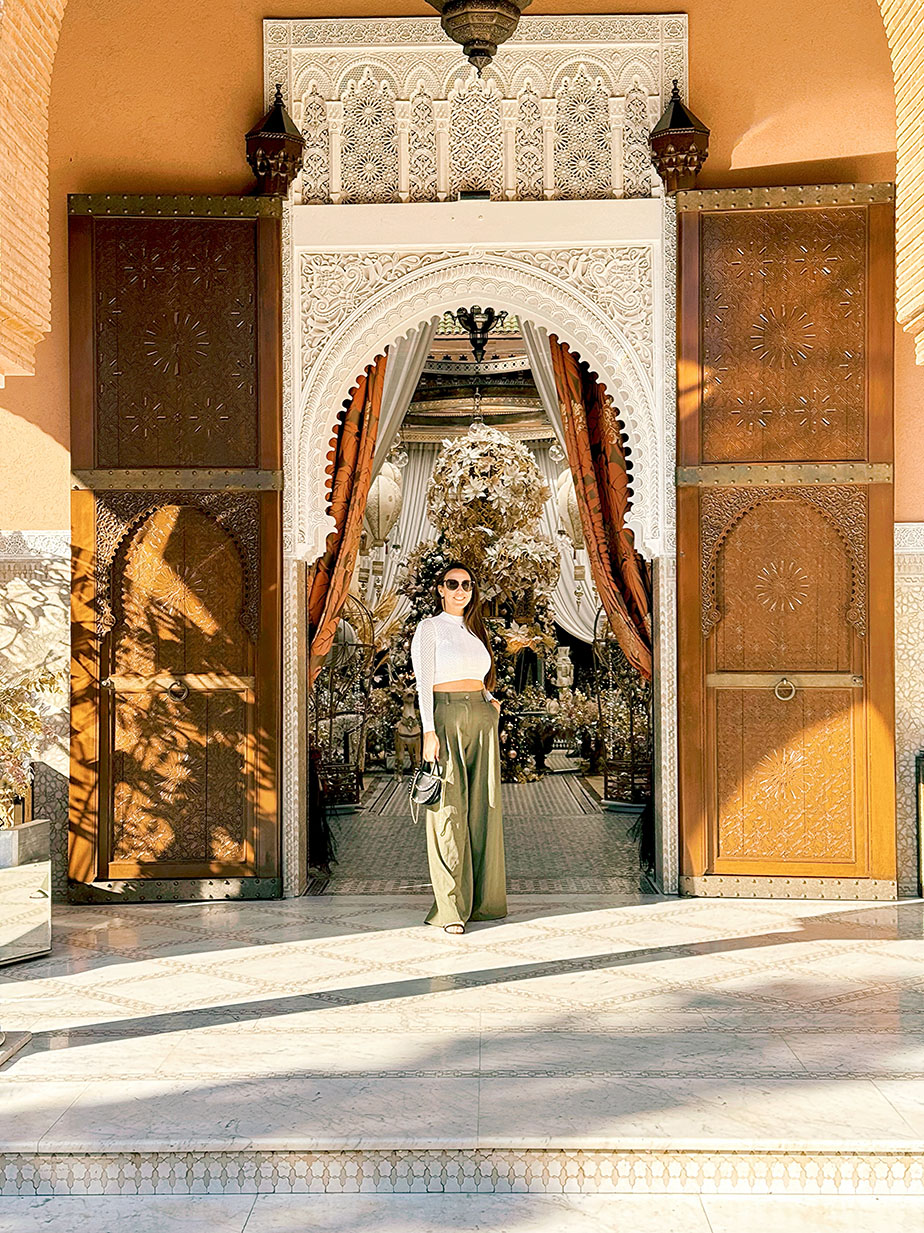
Hunter’s path into European football media was far from direct. Born in the United States, she relocated to Spain in 2007, entering a broadcasting culture that had little precedent for American voices—particularly female ones—within its most traditional institutions. Acceptance was not immediate. Rather than attempting to bypass resistance, Hunter immersed herself. She became fluent in Spanish, focused her expertise on La Liga, and invested deeply in the cultural rhythms that shape how football is lived and understood in Spain. Over time, her adopted country became more than a professional base. It became a personal one, culminating in Spanish citizenship and a reputation built on fluency, patience, and credibility.
What distinguishes Hunter is not simply her presence but the way she redefined it. As one of the few bilingual women operating at the highest levels of global football coverage, she did not conform to existing templates of authority. Instead, she created her own. Her work bridges linguistic and cultural divides that often exist in parallel, offering a form of sports journalism that is both analytically rigorous and socially aware. Representation, in her case, has never been about visibility alone but about permanence—ensuring that access leads to lasting change.

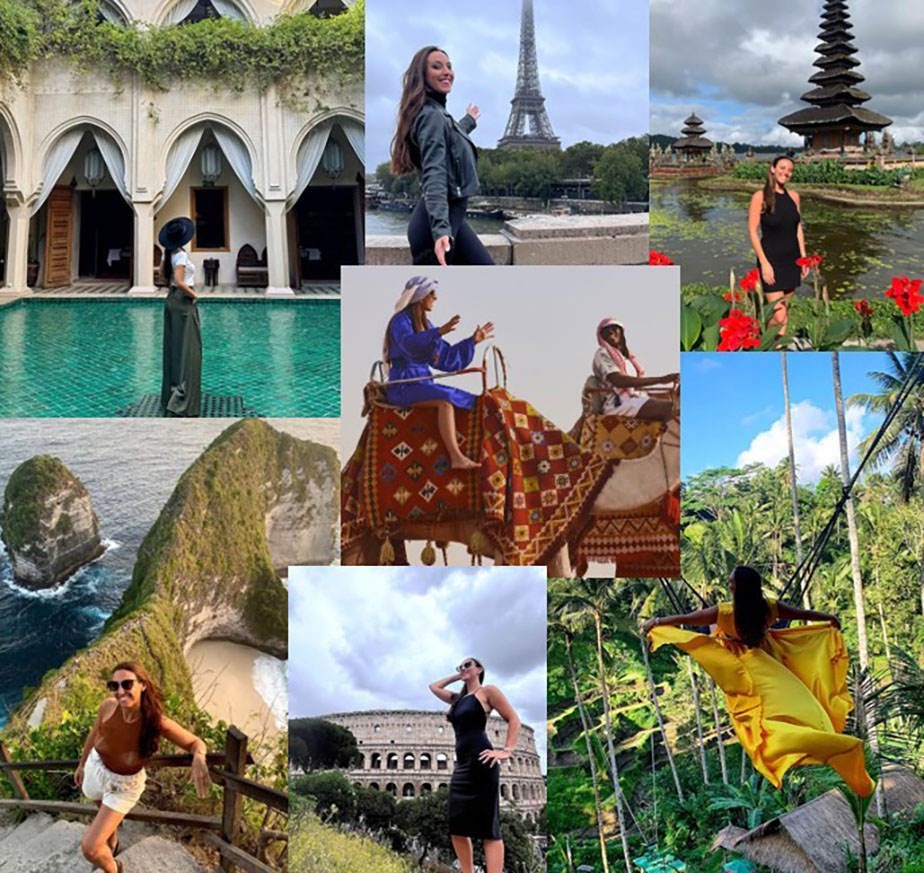
Her global perspective is rooted in a life shaped by movement. With Turkish heritage and American upbringing, Hunter spent much of her early life travelling between cultures, developing an instinctive curiosity about the world beyond national borders. Sport became the medium through which that curiosity found expression. From Europe to the Middle East, Asia, Australia, and Latin America, football provided entry not only into stadiums, but into communities and collective emotion. The game’s universality, she has observed, lies less in its rules than in its ability to reflect shared human experience.
In recent years, Hunter’s work has expanded beyond broadcasting. Now based in Morocco, she has co-founded Saharai Tours, a cultural travel venture offering immersive, community-based experiences across the country. The project, developed with her Moroccan partner, reflects the same principles that have guided her journalism: respect for local knowledge, a commitment to authenticity, and a belief in connection over consumption. Saharai prioritises local guides, artisan,s and family-run riads, positioning travel not as spectacle, but as participation.
The shift from journalism to entrepreneurship is less a departure than an extension. Where Hunter once reported stories, she is now facilitating them. The goal remains unchanged—to create understanding through proximity and lived experience. Morocco, particularly Marrakech, offered not just inspiration, but alignment with a slower, more intentional way of engaging with place and people.
Throughout her career, Hunter has remained sceptical of superficial influence. In an industry increasingly shaped by metrics and immediacy, she has argued for the enduring value of empathy, curiosity, and integrity. For young women, particularly those navigating bilingual or multicultural identities, her trajectory offers a quiet counter-narrative: authority need not be granted to be legitimate; it can be built, patiently and on one’s own terms.
As she looks ahead to future broadcasting projects, international events, and the continued growth of Saharai Tours, the through line remains clear. Whether standing pitch-side at a World Cup or walking through a Moroccan medina, Semra Hunter’s work is driven by connection. In bridging cultures, language,s and industries, she has crafted a form of influence that resists easy categorisation—one that reflects not the speed of modern media, but its depth.